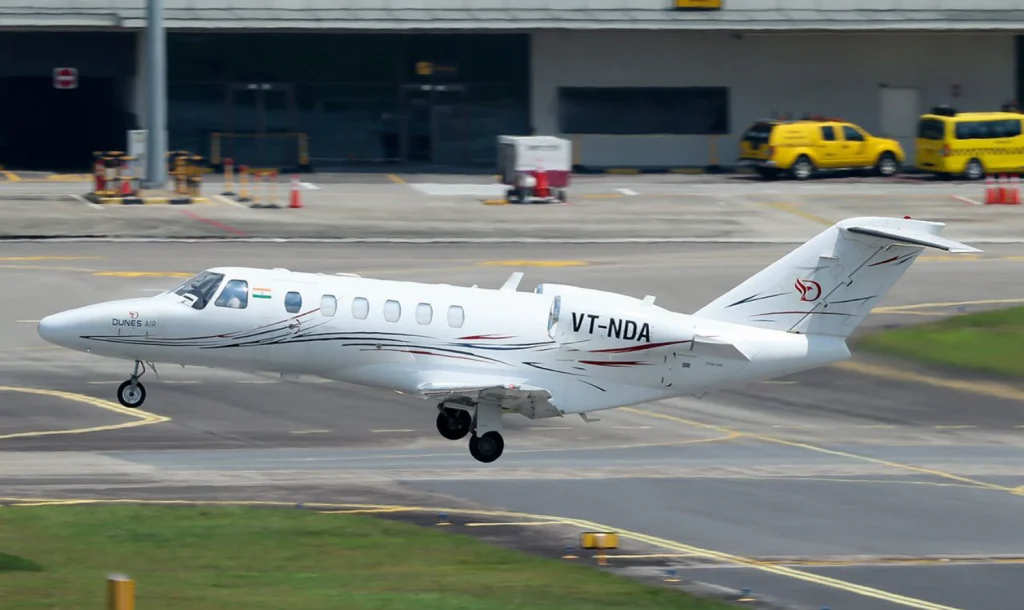
For decades, the concept of flying private has been viewed through a single, somewhat limiting lens: luxury. It is often perceived as the domain of the ultra-wealthy, a status symbol reserved for those to whom budgets do not apply. When you look strictly at the invoice price of a charter compared to a single economy or even business class ticket, that assumption holds up. However, for businesses, corporate procurement teams, and decision-makers, the math is rarely that linear.
Real economics is not just about the hard cost of the ticket; it is about the total cost of operation, the safeguarding of human assets, and the logistical expenses that accumulate around traditional travel. There is a tipping point where the scales balance, and often, where private jet rent becomes not just a viable option, but the smarter financial move.
To understand when chartering makes sense, we must look past the base fare and analyze the “true cost” of getting from Point A to Point B.
The Mathematics of Group Travel
The most immediate scenario where the cost gap narrows or disappears entirely is group travel. Commercial flights operate on a per-seat pricing model, which might not be suitable for a corporate team of seven or a family of eight; every individual requires a full-fare ticket. If the goal is to transport a management team comfortably, that means seven or eight business-class tickets.
In the world of commercial aviation, buying in bulk rarely yields a discount. In fact, it often triggers dynamic pricing algorithms that raise the cost of the last few seats because of a shrinking inventory.
Contrast this with a private jet. When you charter an aircraft, you are renting the capacity of the machine, not the individual seat. Whether you fly alone or fill the cabin to its maximum legal capacity, the cost of the flight hour remains largely the same.
Let’s consider a very real scenario involving a senior management team of six people needing to travel from a metro hub to a secondary city for a crucial site visit. Six last-minute business class tickets can easily be upto a significant five-figure sum. Once you factor in the inevitable airport transfers, excess baggage fees, and the rigid scheduling of commercial airlines, the price difference starts to shrink. In many cases, the per-head cost of a fully utilized mid-size jet can rival the per-head cost of premium commercial travel, but with vastly superior logistics.
The Hidden Commercial Tax: Time and Productivity
The phrase “time is money” is a cliché, but in high-stakes business, it is a line item on a balance sheet. This is where the comparison shifts from a luxury debate to a productivity debate.
If the logistics of a commercial trip is analysed, one has to arrive two hours prior to boarding, waiting at the gate, navigating security lines, and boarding time, that gets delays and result in layovers that have become increasingly common. Through all this, precious time is lost, and an added physical and mental fatigue sets in. For a senior executive whose time is billed at a high hourly rate, or whose presence is required to close a deal worth millions, these wasted hours are expensive. They represent “dead time” where no value is being created.
A private charter recaptures this time as you need to arrive just 15 minutes before departure. You are driven up to the aircraft, board, and take off. What would have been a two-day commercial trip involving an overnight stay can often be condensed into a single-day return trip.
If a charter allows a team to visit a factory, hold a board meeting, and return home for dinner, you haven’t just saved on hotel bills and per diem; you have saved an entire day of executive salary. When you multiply that by five or six high-earners, the “premium” of the private jet pays for itself in billable hours saved.
Seamless connectivity to remote locations:
Commercial airlines operate on a hub-and-spoke model and fly where the volume is, utilizing massive airports that require massive infrastructure. If your destination is in a remote area, not seamlessly accessible like a manufacturing plant, a mining site, or a niche resort, commercial flights will only get you part of the way there.
The remaining journey usually involves a second leg—perhaps a smaller regional flight, a long train ride, or a four-hour drive on unpredictable roads. This adds layers of friction and cost to the itinerary.
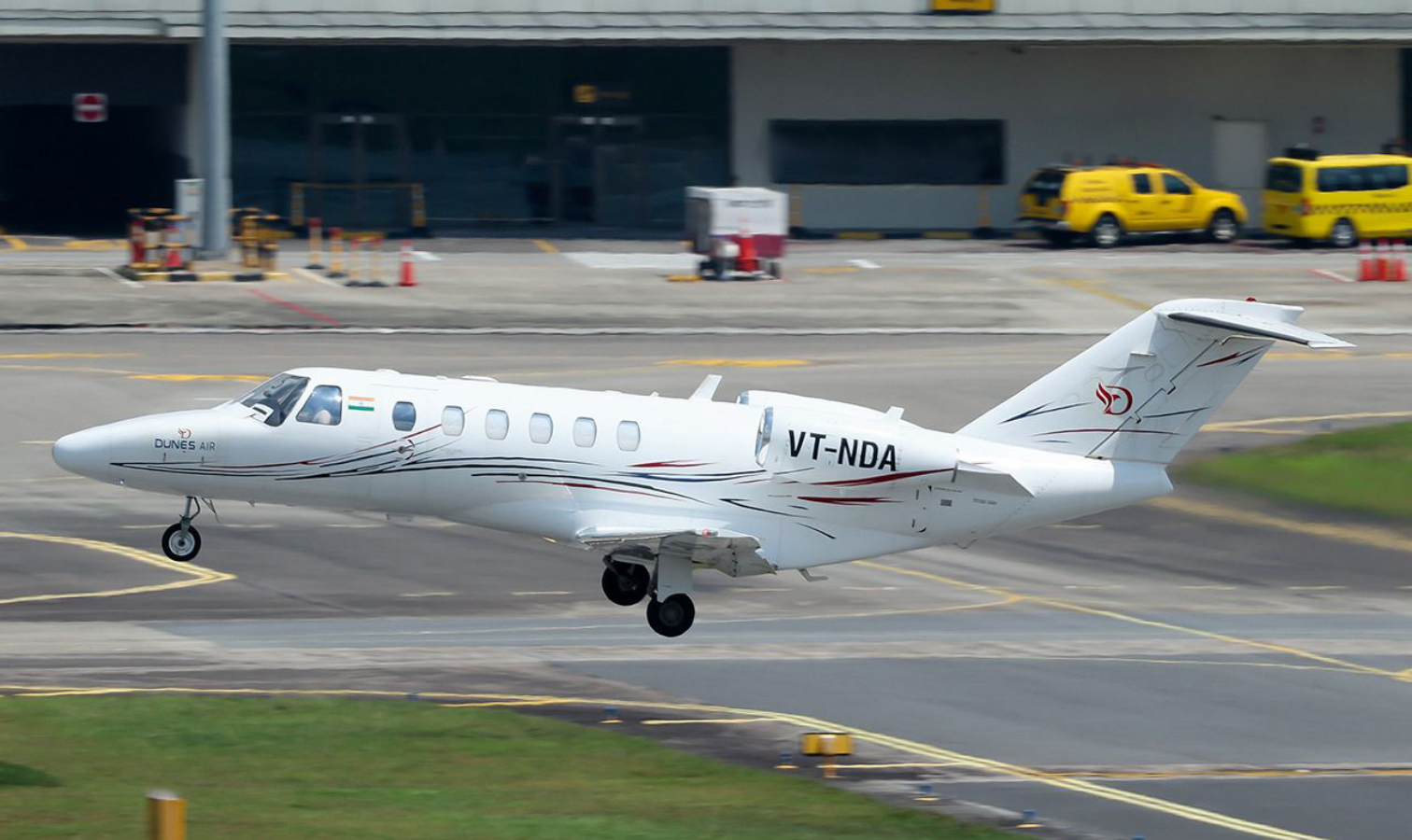
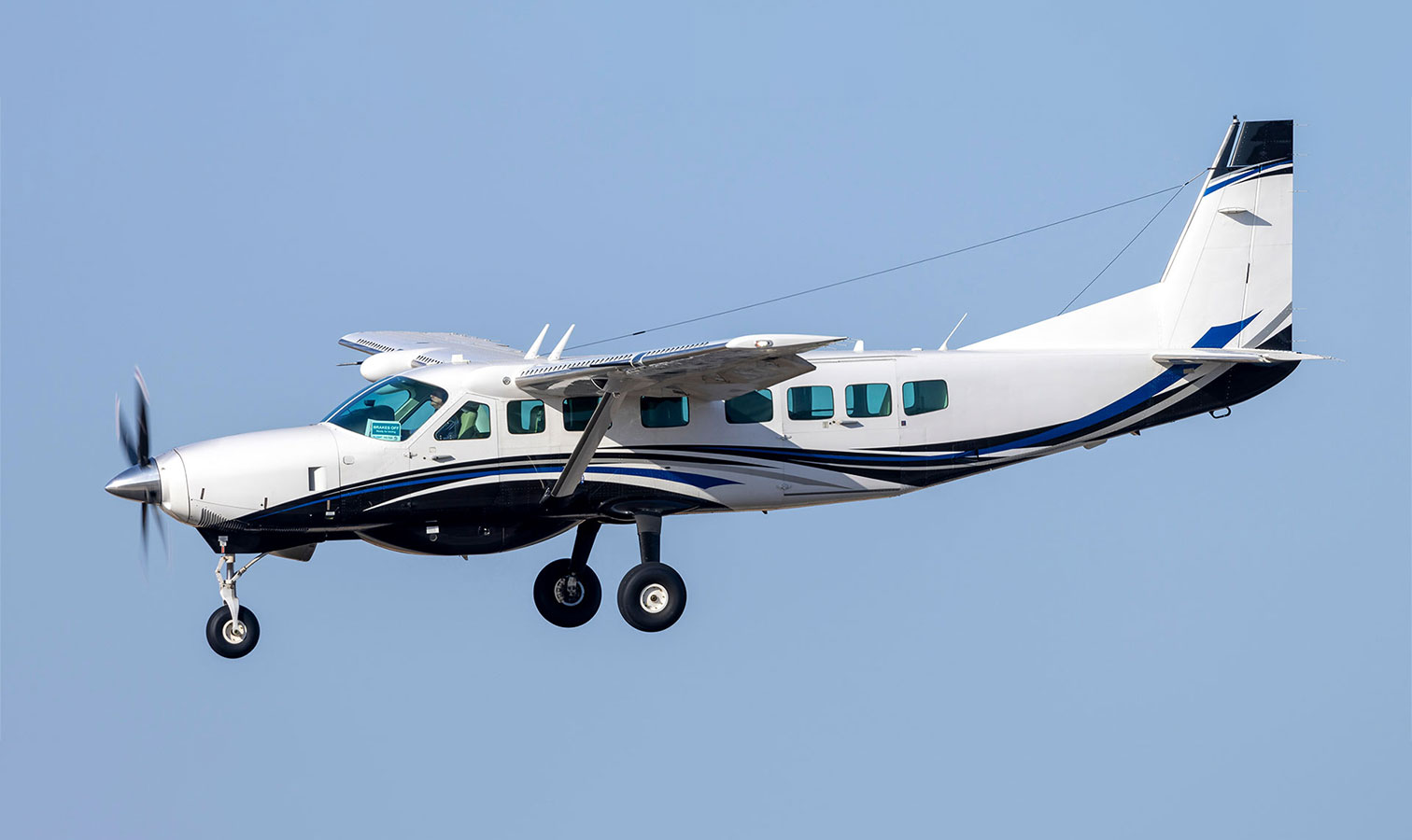
Private jets and turboprops, like those in the Dunes Air fleet, are agile. They can land on shorter runways and smaller airstrips that commercial airliners cannot touch. By landing closer to your actual destination, you eliminate the secondary costs of ground transport and the physical fatigue of a multi-leg journey. From an economic standpoint, this reduces the need for “buffer days.” You don’t need to fly in a day early just to ensure you make a morning meeting. You fly directly to the meeting. This efficiency is a tangible monetary benefit that is often overlooked when comparing simple ticket prices.
Strategic Privacy as a Business Asset:
There is also a hard-to-quantify but financially relevant factor: confidentiality.
In a commercial business class cabin, true privacy is an illusion. You cannot openly discuss a merger, review sensitive legal documents, or debate strategy when a competitor or a journalist might be sitting across the aisle. This forces teams to work offline or suspend critical discussions until they reach their hotel.
On a private charter, the cabin is your boardroom. The flight time becomes work time. A team can prepare for a pitch while in the air, debrief immediately after, and utilize the travel time as an extension of the office. This continuity of work ensures that momentum isn’t lost. While you cannot put price tags on “privacy”, the underrated luxury to make decisions faster and more securely adds positively to the overall success of the business trip.
Scaling down the possibilities of disruption:
One of the greatest hidden costs of commercial travel is uncertainty. Flight cancellations, technical delays, and lost luggage are not just inconveniences; they are operational disruptions that cost money. A missed connection can mean a missed contract signing.
Private aviation offers assurance of fewer schedule disruptions that commercial travel cannot match. The biggest advantage is simple: the aircraft works around your time. There’s no worrying about missing a flight, no losing tickets, and no going through the frustration of rebooking at higher fares. If a meeting runs longer than expected, no problem. There will not be any need to over-plan or consider delays and cancellations. It just takes one variable out of your day and lets you focus on the work at hand.
The Verdict
So, is the operational efficiency of private charter more economical?
It becomes more economical when the headcount is high, and the per-seat cost aligns with business class fares. It is more economical when the destination is hard to reach, and commercial routing would require overnight stays and long drives. And most importantly, it is more economical when the value of your time exceeds the cost of the flight.
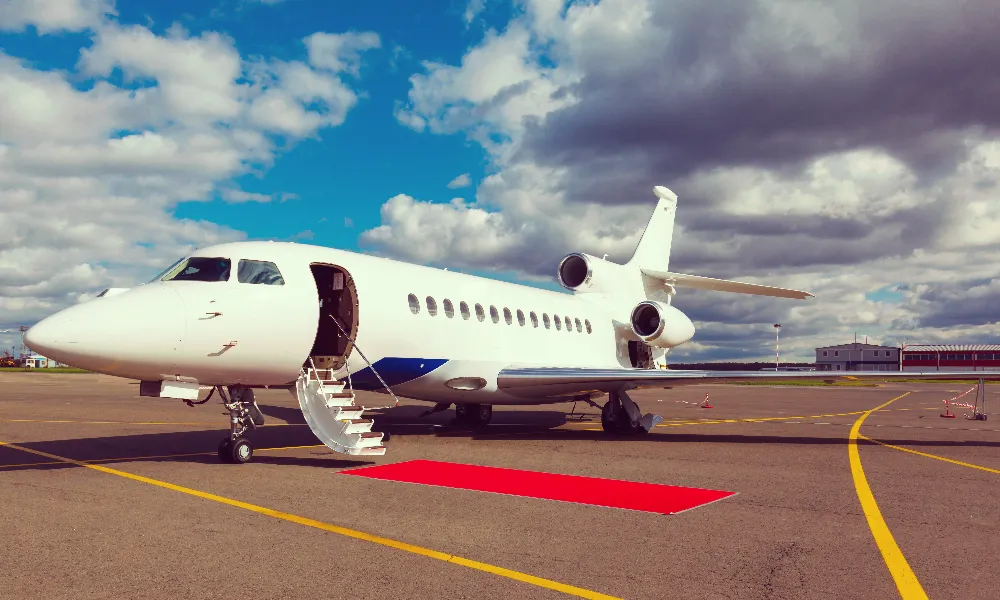
Flying private is not always about champagne and red carpets. For many of our clients, it is a calculated tool for efficiency.
If you are evaluating an upcoming complex itinerary or a critical group trip, it might be worth running the numbers again. You may find that spending money sensibly wouldn’t be on a commercial ticket; it’s on the aircraft that waits for you.