We are in an era of instant gratification, which is slowly becoming the norm. With one tap, we can order food, hail a cab, and even book a commercial flight from Delhi to Mumbai. The modern consumer expectation is simple: if you have the funds, the transaction should be immediate.
This digital convenience has created a default expectation of speed. There is a common assumption that if a seat can be booked on a massive commercial airline swiftly, booking a smaller, private aircraft should be even simpler. After all, it’s just a plane, right? We anticipate the same algorithm-driven simplicity, regardless of the service’s actual complexity.
We understand the confusion that might arise in a first-time flyer’s mind when they approach a private jet operator and find a quote request instead of a ‘Buy now’ button. Why isn’t there a live seat map? Why do I have to speak to a human?
The answer lies in the fundamental difference between what you are buying in commercial aviation versus private aviation.
The Difference Between a Bus Route and a Personal Chauffeur
A commercial flight ticket comes with a fixed plane model, pre-existing route destination, timings, delays, and menu. That plane is going to fly from Ahmedabad to Dubai whether you are on it or not. The infrastructure is static.
In this highly rigid system, you are merely a passenger filling a seat. You are required to conform to the airline’s operational convenience, rather than the airline accommodating your needs.
Booking a private jet is the opposite. It is dynamic. You are not joining a scheduled trip; you are creating the schedule from scratch, entirely around your requirements. You have the ability to customise every element—whether that means moving a specific multi-million-dollar asset to a remote location, assigning specialised staff to manage it, or filing a tailored flight plan.
Every single detail is open to negotiation, from your specific catering preferences to the exact departure slot. You are not just buying a ticket; you are essentially architecting an entire complex aviation operation.
This requires a level of logistical coordination that an algorithm—currently—cannot fully manage on its own.
The Operational Reality of a “Charter Plane India” Request
The complexity increases when you see the operational landscape of running a charter plane in India.
In commercial aviation, slots (the permission to take off and land) are secured months in advance. In private aviation, these permissions are often secured days or hours before the flight.
If you want to fly into a remote airstrip in Rajasthan or a busy defence airfield in Pune, there are “watch hours” (operating times) and military clearances to consider. A website button might let you book the flight, but an algorithm doesn’t know that the runway in question is undergoing maintenance on Tuesday afternoons, or that a VVIP movement has closed the airspace for two hours.
These dynamic, on-the-ground variables require constant monitoring and direct communication with authorities—nuances that automated systems simply cannot interpret or manage efficiently.
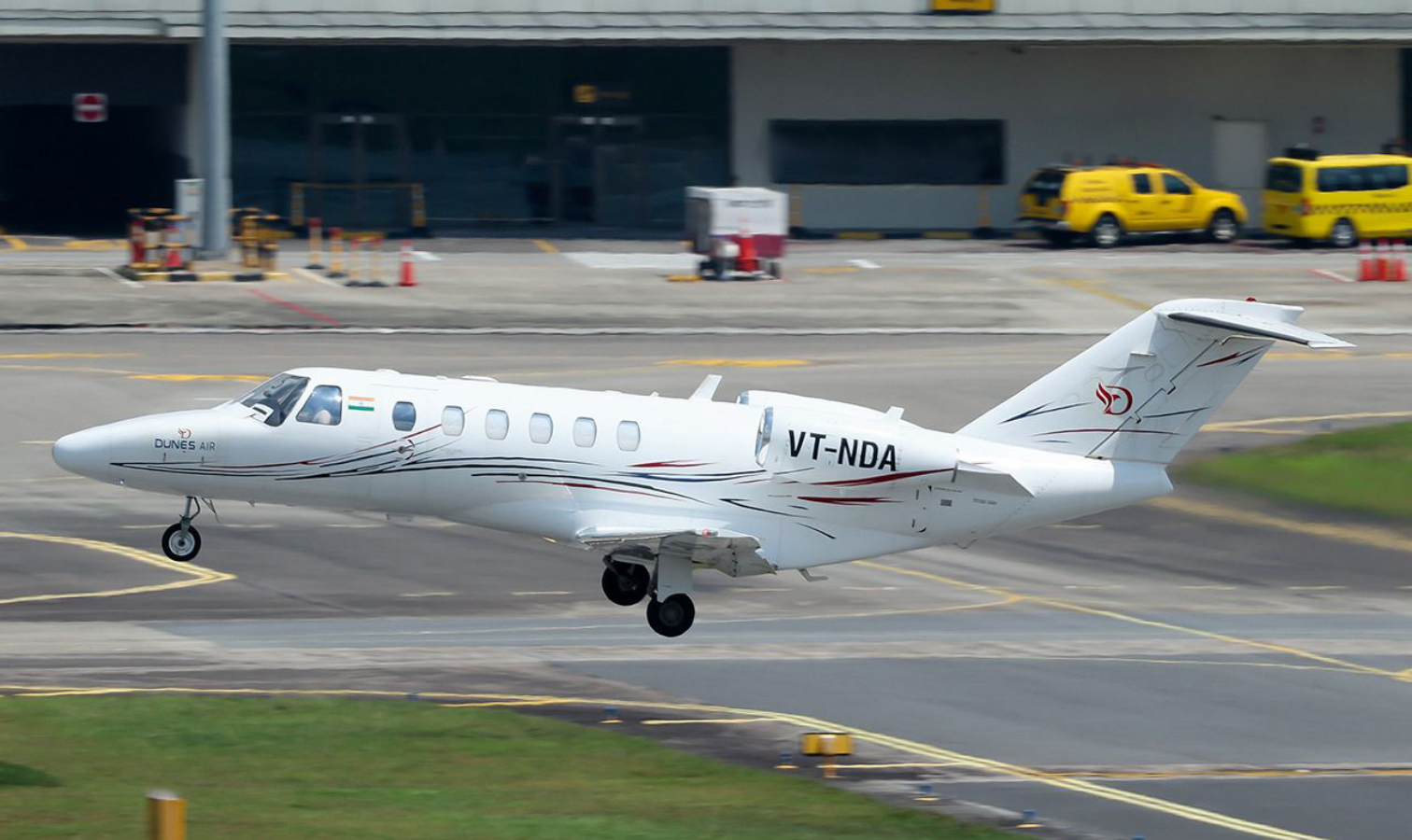
This is where the human element—the “concierge” aspect of Dunes Air becomes a necessity rather than a luxury. A flight coordination team doesn’t just look at availability; they look at feasibility. They check weather patterns for smaller aircraft, they verify crew duty time limitations (to ensure your pilots are rested), and they secure the necessary landing permits.
The Myth of the “Uber for Jets”
The industry is changing, and technology is trying to bridge the gap. There are apps now that claim to offer instant bookings for jets. But for now, most of these are simply digital front-ends for the same manual backend processes. They capture your request, but a human is still frantically calling operators in the background to make it happen.
While the interface appears instant, the underlying operations are still manual.
Algorithms excel at standardised inventory, yet they struggle to navigate the unpredictable variables of aviation, such as sudden weather shifts or strict crew duty limitations.
Currently, the lack of total automation is actually a safeguard. There is assurance when bookings are being confirmed that it’s actually available, safe, and suits your intent. You are assured of the menu of your choice, and the car assigned to escort you to your flight is waiting on the tarmac and has the correct driver details.
The Value of the Conversation
Until the technology catches up to the complexity of global logistics, booking a private jet will continue to remain a high-touch process. And honestly, that is a good thing.
When you fly commercial, you are a PNR number. When you fly private, you are a client with specific preferences. The brief back-and-forth conversation you have with a charter expert isn’t an inefficiency; it’s quality control.
The trade-off works in your favour: instant booking speed in exchange for the ability to control every aspect of your journey—personal or professional—from departure timing to the coffee brand served onboard. For those who value precision over standardised convenience, this is a trade worth making.