Medical emergencies should not wait for traffic. Sometimes the right call is obvious: you need to get a patient to the hospital as quickly and safely as possible. In such cases, no one wants to wait for a road ambulance. Is that a situation that requires an air ambulance service?
If delay could make the difference between recovery and irreversible damage, choose the faster, medically equipped option. The following article explores real situations in which calling an air ambulance is the smarter choice and explains how Dunes Air manage these cases calmly.
1) When minutes change outcomes
Heart attacks, massive strokes, and internal bleeding aren’t problems that should be ignored. During emergencies, every minute matters. A ground ambulance can be perfect, but traffic, signals and roadworks add unpredictable delays. An air ambulance service avoids that.
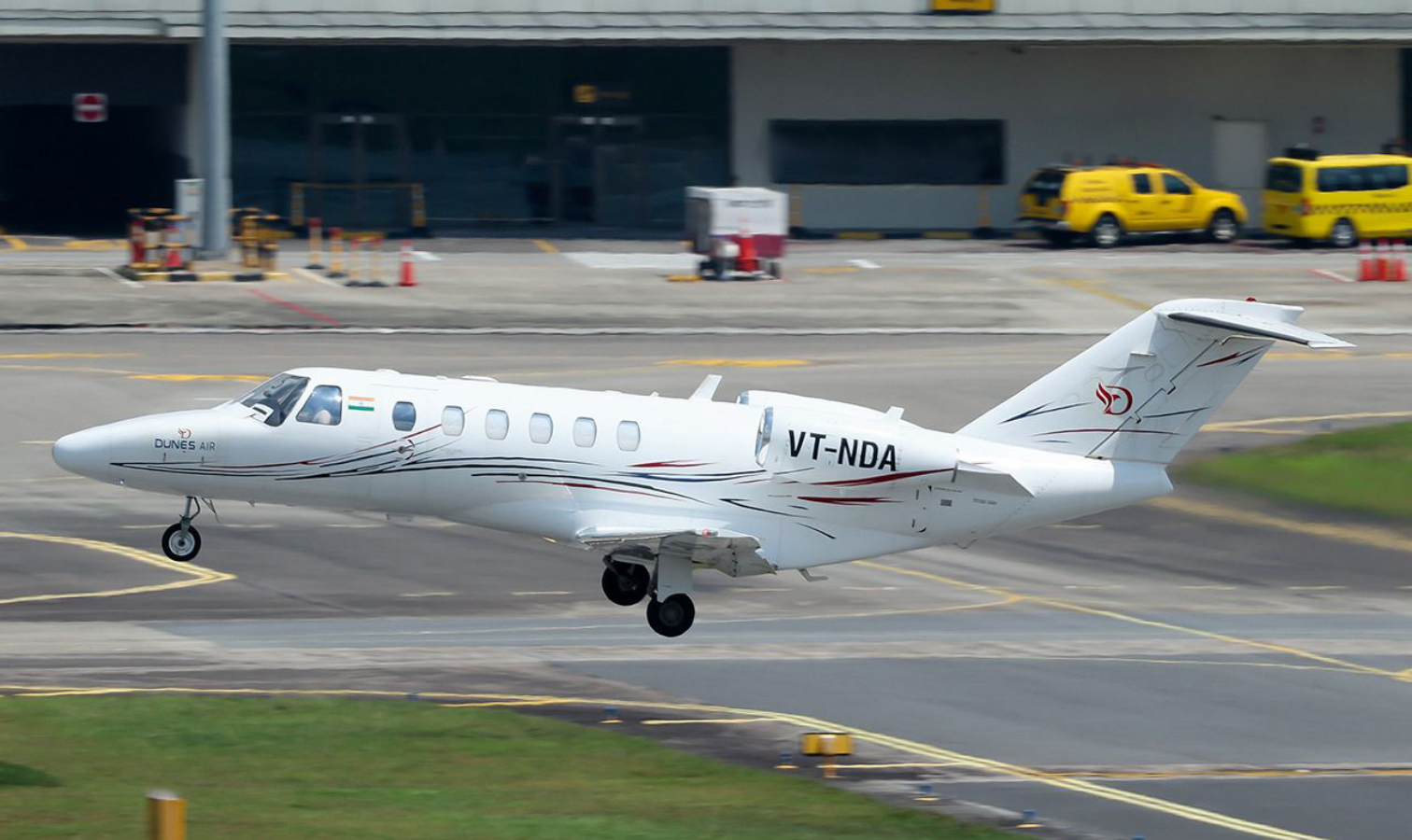
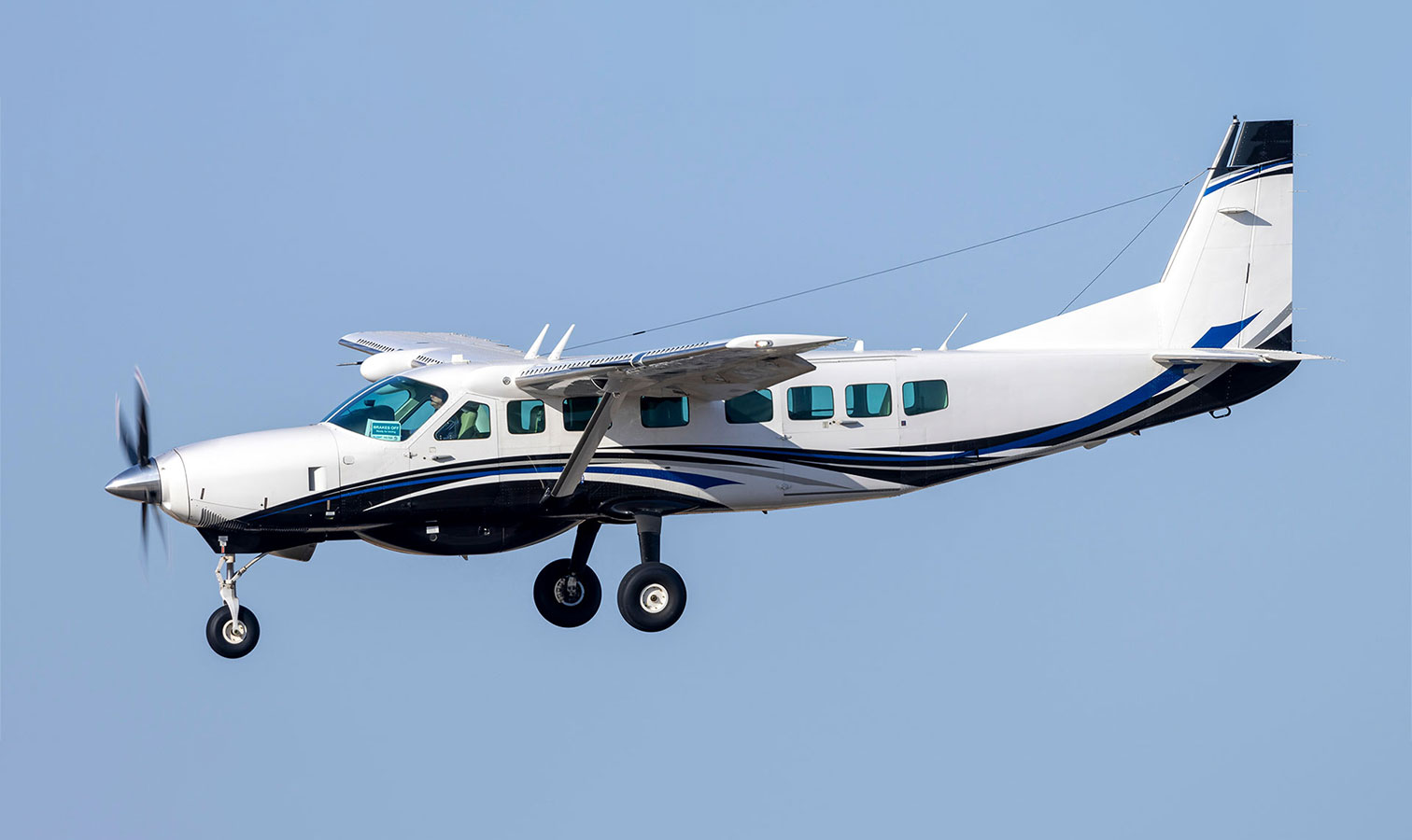
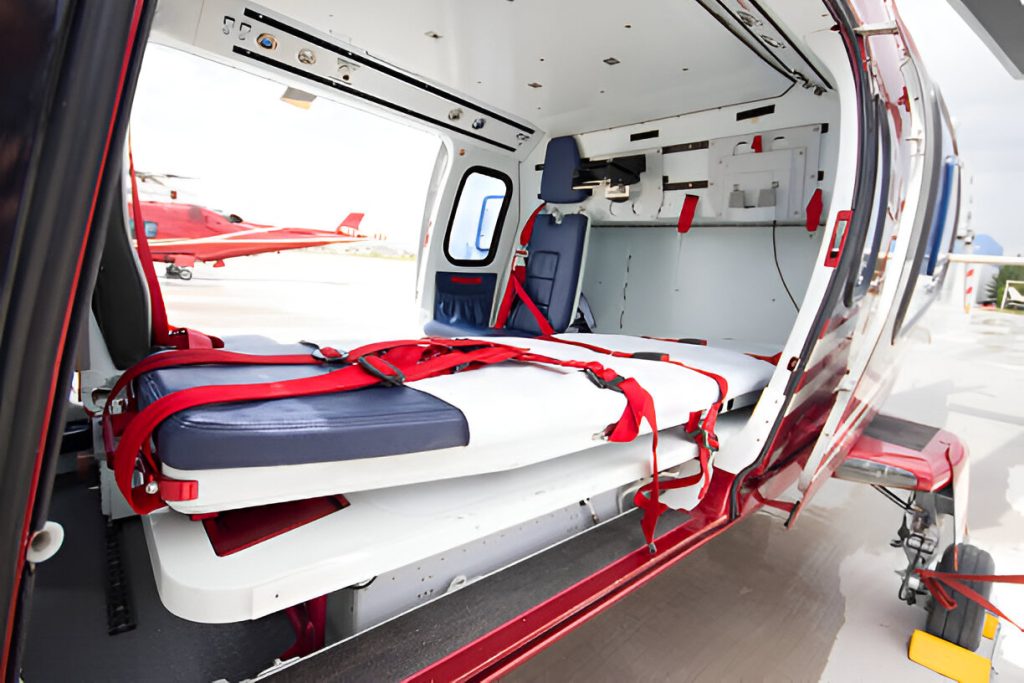
Dunes Air provides a fully configured aircraft that includes compact ICUs, experienced flight medics, and equipment keeping patients stable throughout. Constant monitoring is a feature, and in certain cases, the patient can receive treatment mid-flight.
2) When distance makes road travel risky
For example, you’re in a tier-2 city and the specialist care you need is in a metro hospital 6–8 hours away. That’s harsh on a patient who’s unstable. Long road journeys mean vibration, stops and a higher chance of complications.
An air ambulance cuts that trip to a fraction of the time. Fewer hours in transit, handoffs, and continuous medical attention. For long-distance transfers intra-state, cross-state, or international, air ambulance service is not a luxury; it’s clinical prudence. Dunes Air manages the full handover: pickup at the origin, in-flight care, and direct transfer to the receiving hospital team.
3) When roads or terrain block the way
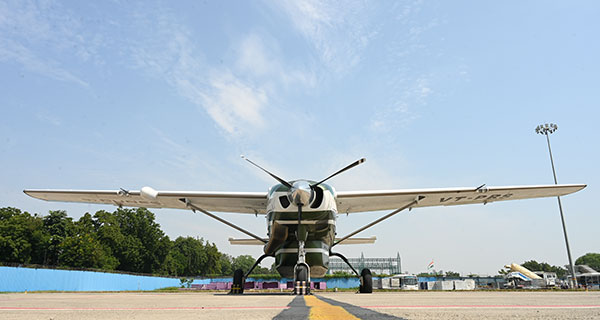
A well-coordinated flight is the only solution when the roads are blocked. These flights also land in road-inaccessible areas, transferring patients who would otherwise remain stuck for hours or even days.
Dunes Air has carried patients out of remote areas, offering the kind of operations where logistical skill and speed are prudent.
4) When the patient needs ICU-level care during transfer
Not all ambulances are equal. It becomes tough for a road ambulance to carry a ventilated patient. Continuous ICU monitoring, stable power for equipment, and clinicians capable of immediate response are essential.
Air ambulances are set up for that: power-stable cabins, vibration-mitigating stretchers and staff trained to manage critical events on the flight. If the medical team says, “We can’t risk a road trip,” listen to them; that’s the moment to call an air ambulance service.
5) When an international transfer is required
Sometimes the best treatment is overseas, and that’s why you should trust air ambulance services. Commercial flights aren’t suitable for patients needing constant monitoring. Air ambulances handle medical repatriations and cross-border transfers, including paperwork, medical clearances and coordination with foreign hospitals. Dunes Air offers end-to-end support, making it an ideal choice for both patient families and hospitals for air ambulence services.
6) When comfort and dignity matter
Not every transfer is an emergency. Some patients require stress-free, medically supervised travel, such as elderly people moving for specialist consultations or post-operative transfers. An air ambulance provides a controlled environment that offers less chaos, more privacy and better rest for fragile patients.
Dunes Air helps plan these journeys, offering comfortable and safe travel.
7) When ground delays (traffic/weather) are likely
Cities jammed with monsoon floods and construction works can add dangerous delays. Air ambulances bypass ground chaos entirely. They offer predictable ETAs and a controlled transit environment, which is crucial when timing is everything.
Why Dunes Air is a practical choice
Speed is obvious. But in real emergencies, you also need reliability, transparency and clinically sound procedures. That’s where Dunes Air scores:
- 24/7 operations and rapid mobilisation
- Aircraft equipped with ICU-level gear
- Experienced doctors and flight nurses trained for critical transfers
- Full coordination (ground pickup → in-flight care → direct hospital handover)
- Clear pricing and documentation support
If you’re looking for air ambulance options, Dunes Air can be a perfect choice. From constant patient monitoring to advanced ambulance services, it offers the best service in the range.
A short checklist for deciding
- Is the patient’s condition time-sensitive (stroke, heart attack, massive trauma)? → Air.
- Is the receiving hospital far or across a border? → Air.
- Are roads inaccessible or unsafe? → Air.
- Does the patient need ICU care during the trip? → Air.
- Is comfort/dignity a high priority for the transfer? → Consider Air.
Choosing between ground and air ambulances isn’t about choosing luxury; it’s about matching the patient’s clinical need to the safest, fastest transport. When the situation demands speed, specialized care in transit, or travel over long or difficult distances, an air ambulance service is the right call. Dunes Air combines speed with medical expertise so families don’t have to worry about logistics; they can focus on the patient’s health.